
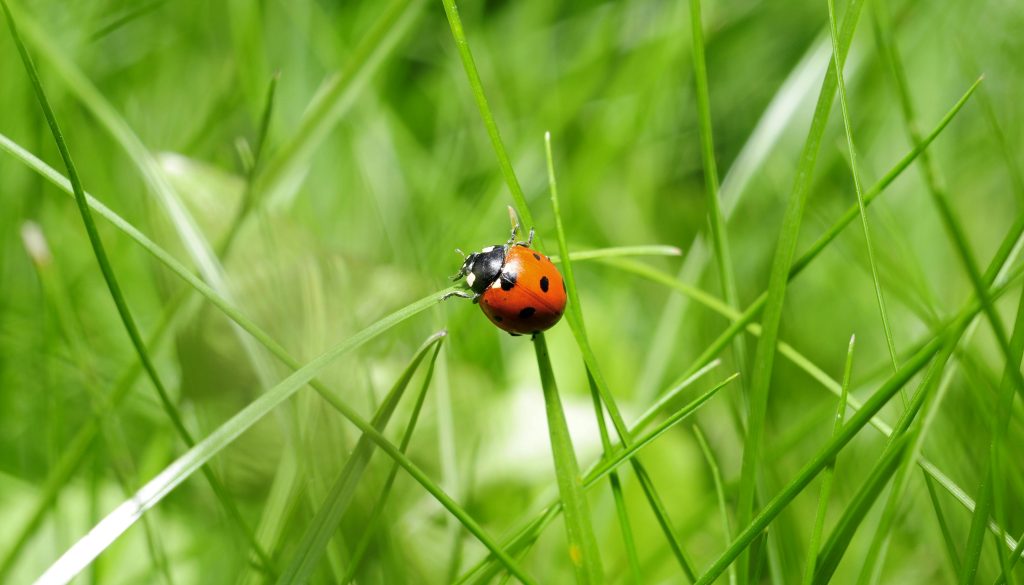
Summer Ladybugs, the ladies are coming
UPDATE: Ladybugs will be in stock for the week of July 8. Place order now!
The summer ladybugs are on their way, ready to bring joy to your garden. The Ladies will be available some time in June for all you outdoor pests.
Drop us an email, and we’ll make sure you’re first on the list to welcome these delightful guests to your yards.
sent us an email: info@naturalinsectcontrol.com

Update…ladies are coming
Preparing for the Arrival of Our Ladybugs: A Guide to Utilizing Convergent Lady Beetles for Pest Control
As we eagerly anticipate the availability of our Ladybugs later this month, let’s explore the potential of these remarkable predators in our pest management endeavors.
Unleashing Nature’s Tiny Warriors: Harnessing the Power of Convergent Lady Beetles for Pest Control
In the intricate dance of garden ecology, few allies stand as steadfast as Hippodamia convergens, one of our native ladybugs. Renowned for its prowess as a natural predator, this charming insect offers a graceful solution to the perennial challenge of pest management in both gardens and agricultural landscapes. Let’s delve into the secrets of their life cycle, their voracious appetite, and how to best employ them in our green sanctuaries.
Life Cycle and Feeding Frenzy
The journey of the adult convergent lady beetle begins with the delicate placement of clusters of 10-30 eggs, promising a future teeming with pest control. Within a mere 3-5 days, these eggs hatch, giving birth to larvae that embark on a ravenous quest, consuming a staggering 30-50 aphids per day over the course of 10-14 days.
As they progress through four instars, these larvae epitomize appetite, devouring soft-bodied pests with an insatiable hunger that knows no bounds. From their chrysalis emerges the adult beetle, adorned in its iconic spotted attire, ready to embark on the next pest feeding mission. With a menu boasting aphids, mites, whiteflies, thrips, and mealybugs, they stand as vigilant guardians of our green realms.
Employing Nature’s Army
In the battlefield against garden pests, the convergent lady beetle is a generalist predator par excellence. Whether your domain boasts vegetables, fruits, ornamentals, or sprawling field crops, these miniature warriors stand ready to defend against aphid armies, mite marauders, and thrip hordes alike.
For those facing severe infestations, the recommended deployment strategy is a formidable one: 500 adults per 500 square feet. But timing is of the essence; release them under the cloak of evening or in the gentle embrace of early morning after misting your plants when temperatures are cool and their instincts for dispersal are momentarily lulled.
Yet, even heroes require sustenance beyond the battlefield. Provide them with supplementary feasts of pollen or nectar plants to fortify their ranks and ensure their continued presence in your gardens.
Nurturing Our Guardians
Like any precious ally, the convergent lady beetle thrives under specific conditions. Keep temperatures within the cozy confines of 65-80°F, for extreme heat or cold can dampen their spirits and curtail their noble pursuits.
In their defense, do not use broad-spectrum insecticides, which pose a grave threat to our diminutive defenders. Instead, provide them with sanctuaries of water, where shallow dishes adorned with rocks offer respite and refreshment.
